Western Long-nosed Snake
Rhinocheilus lecontei
Non-venomous – Harmless
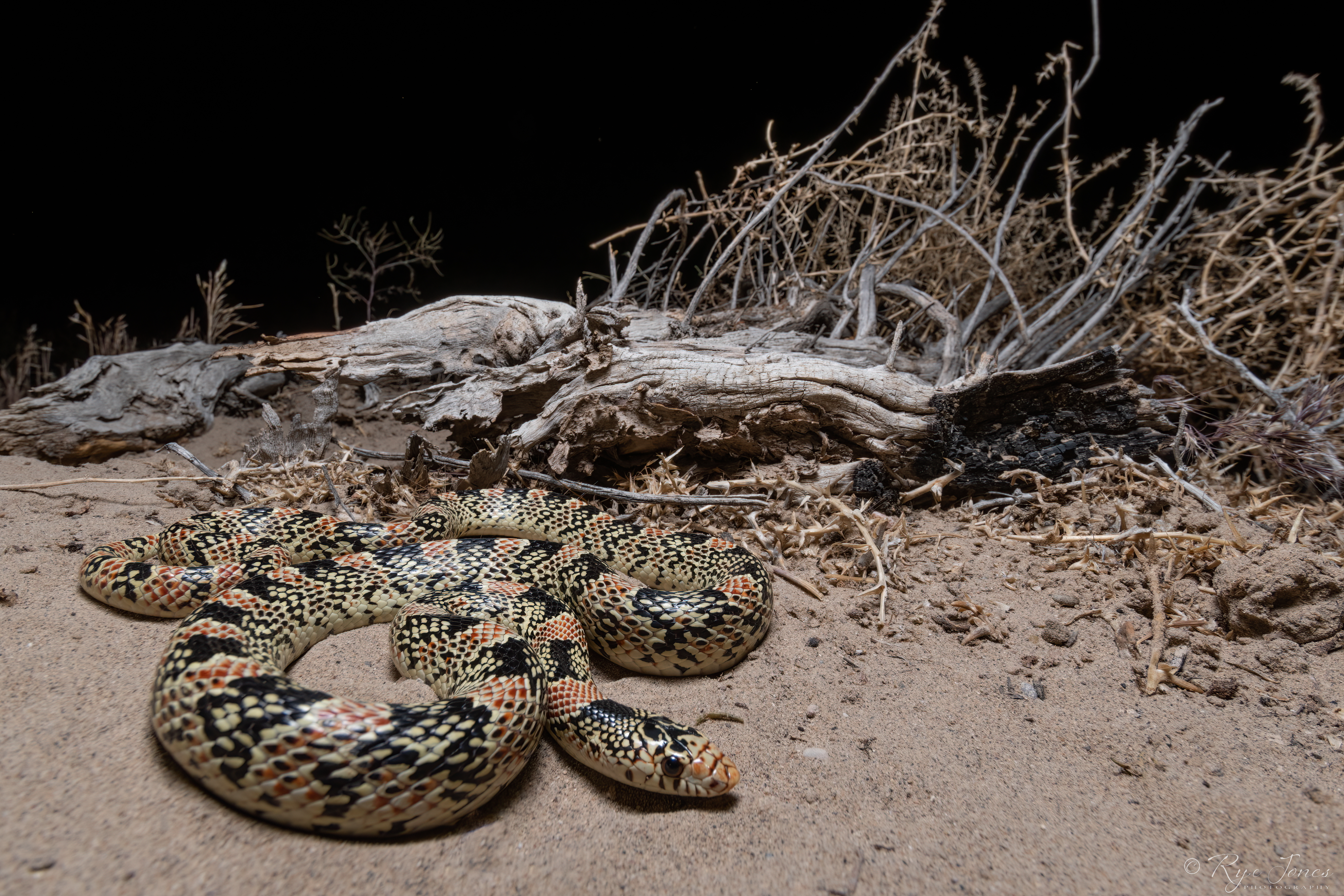
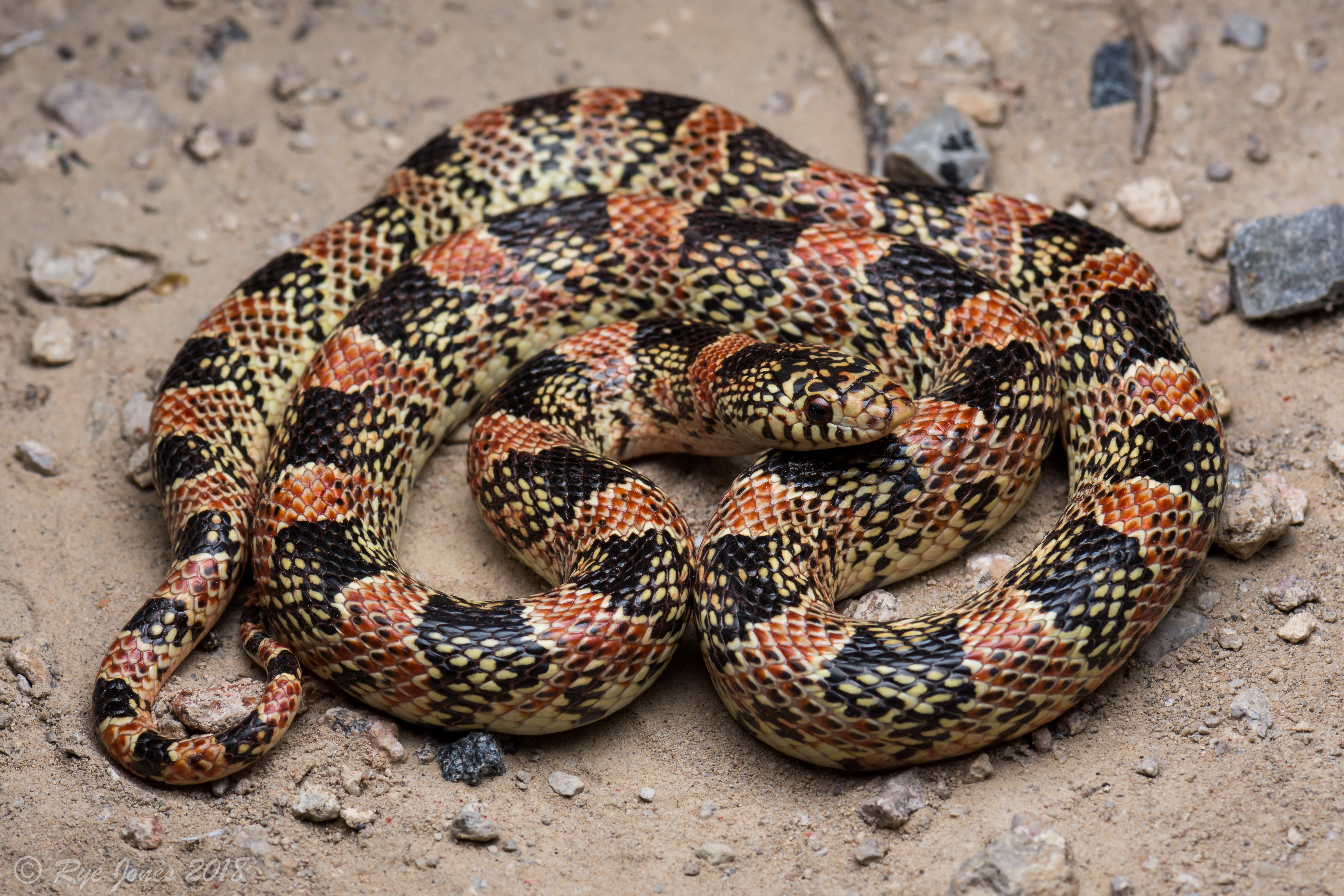
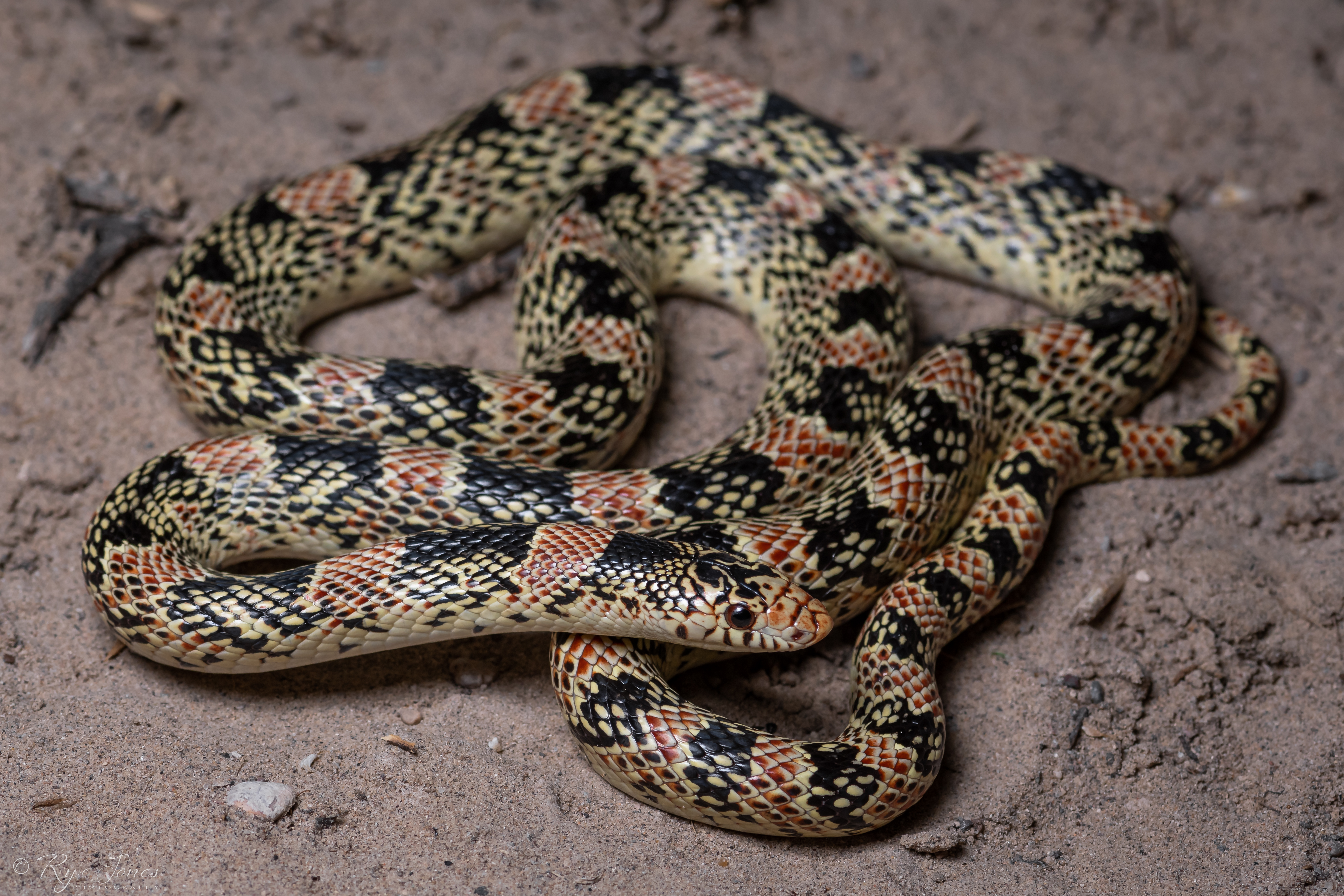
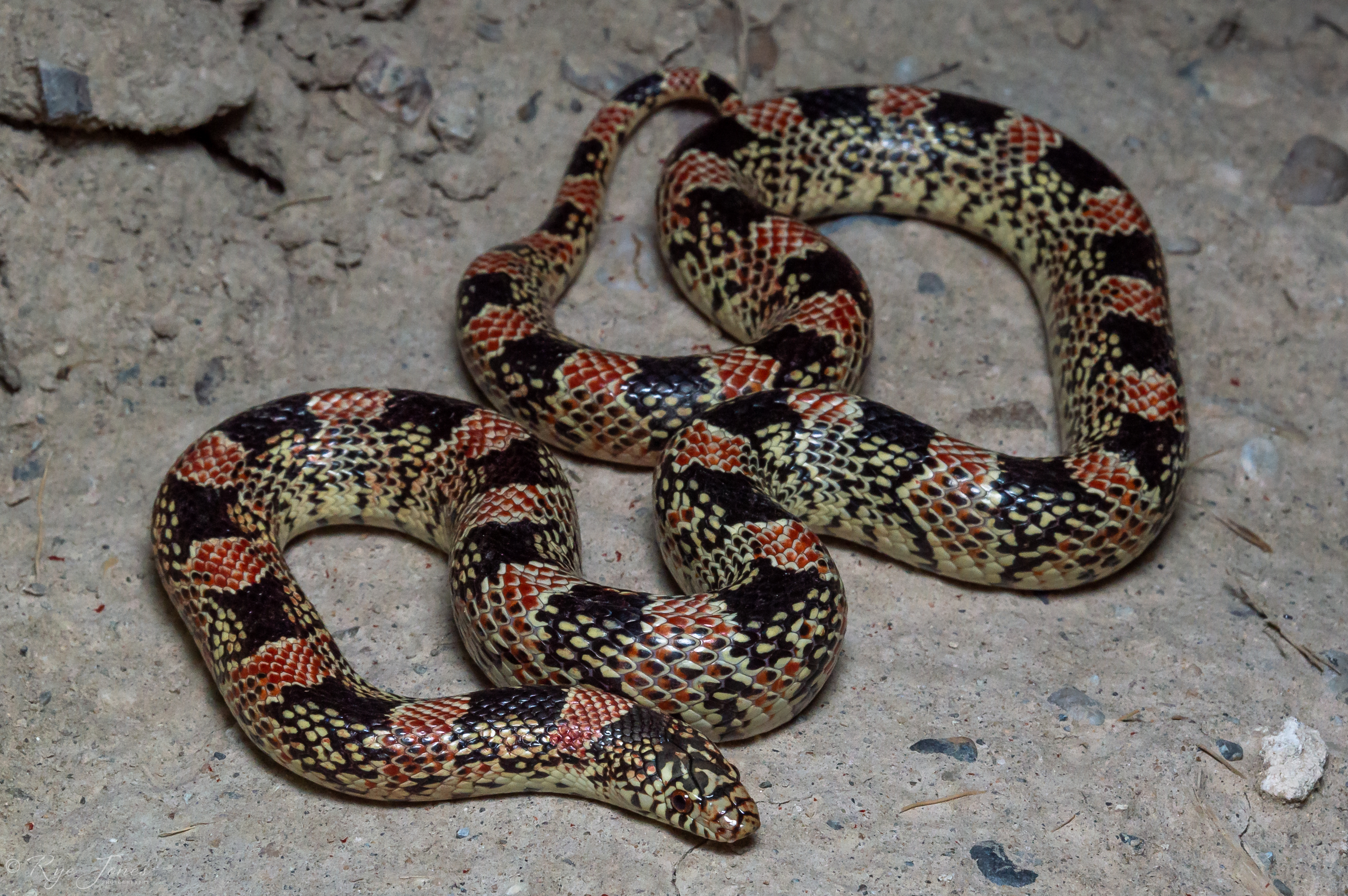
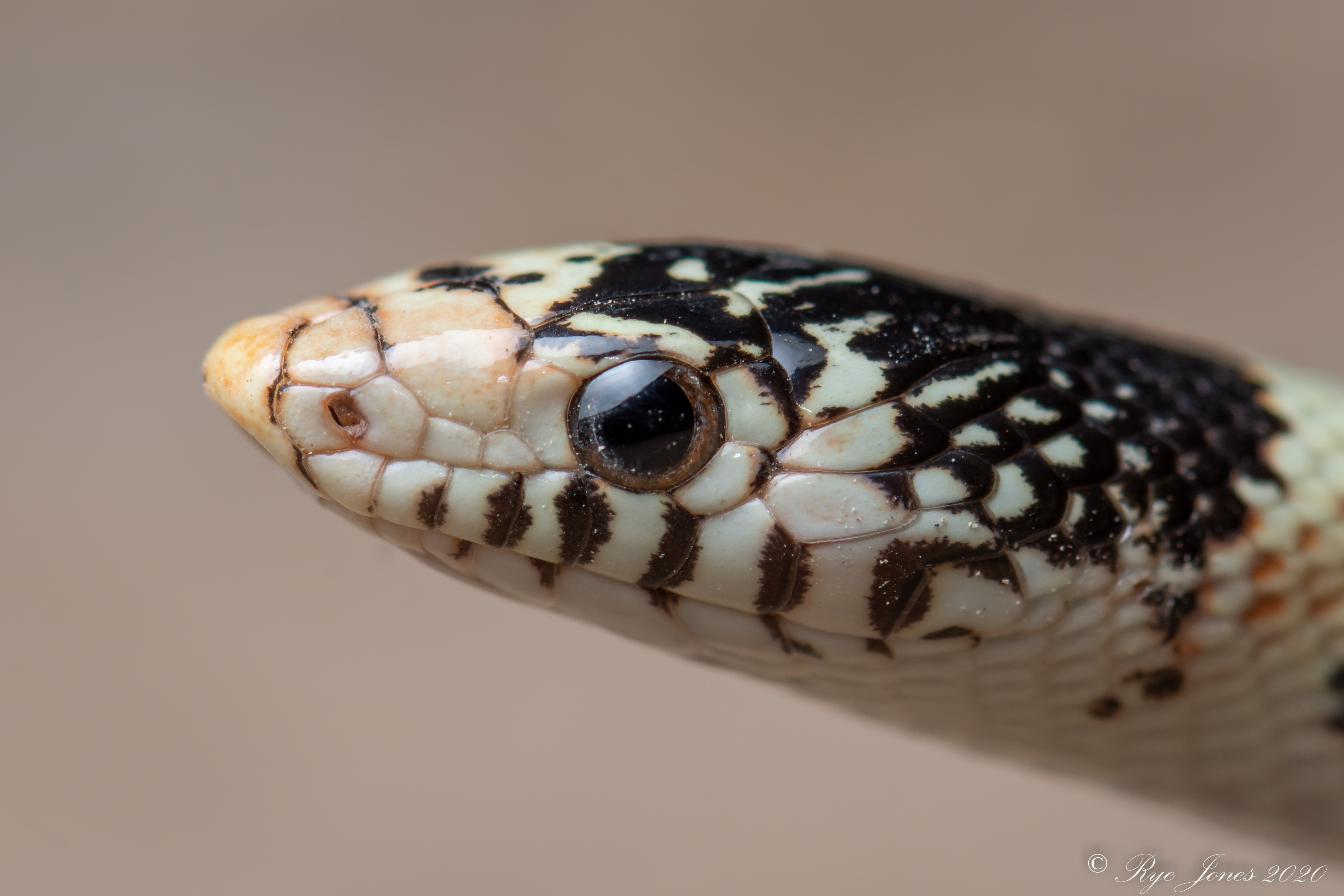
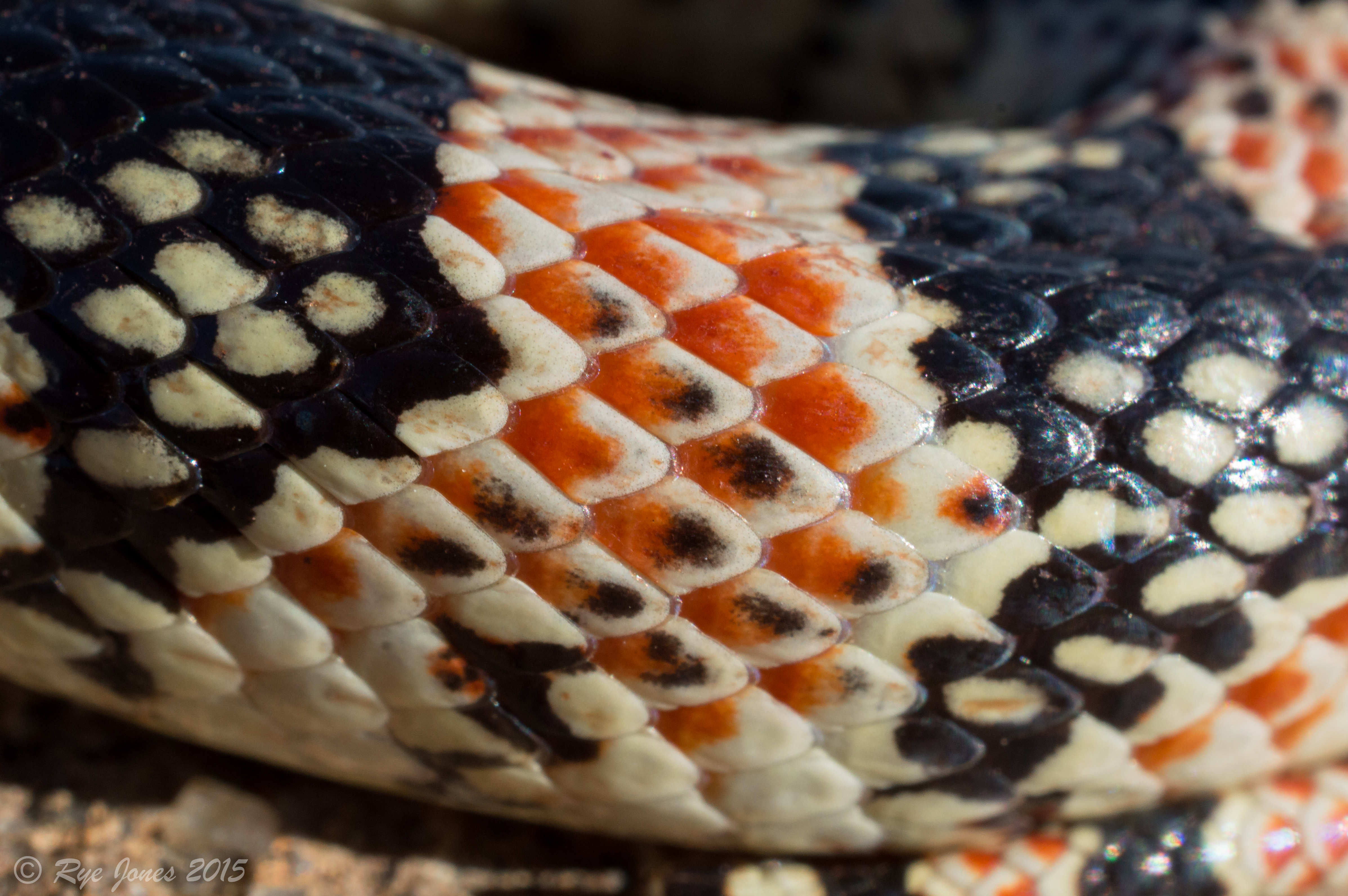
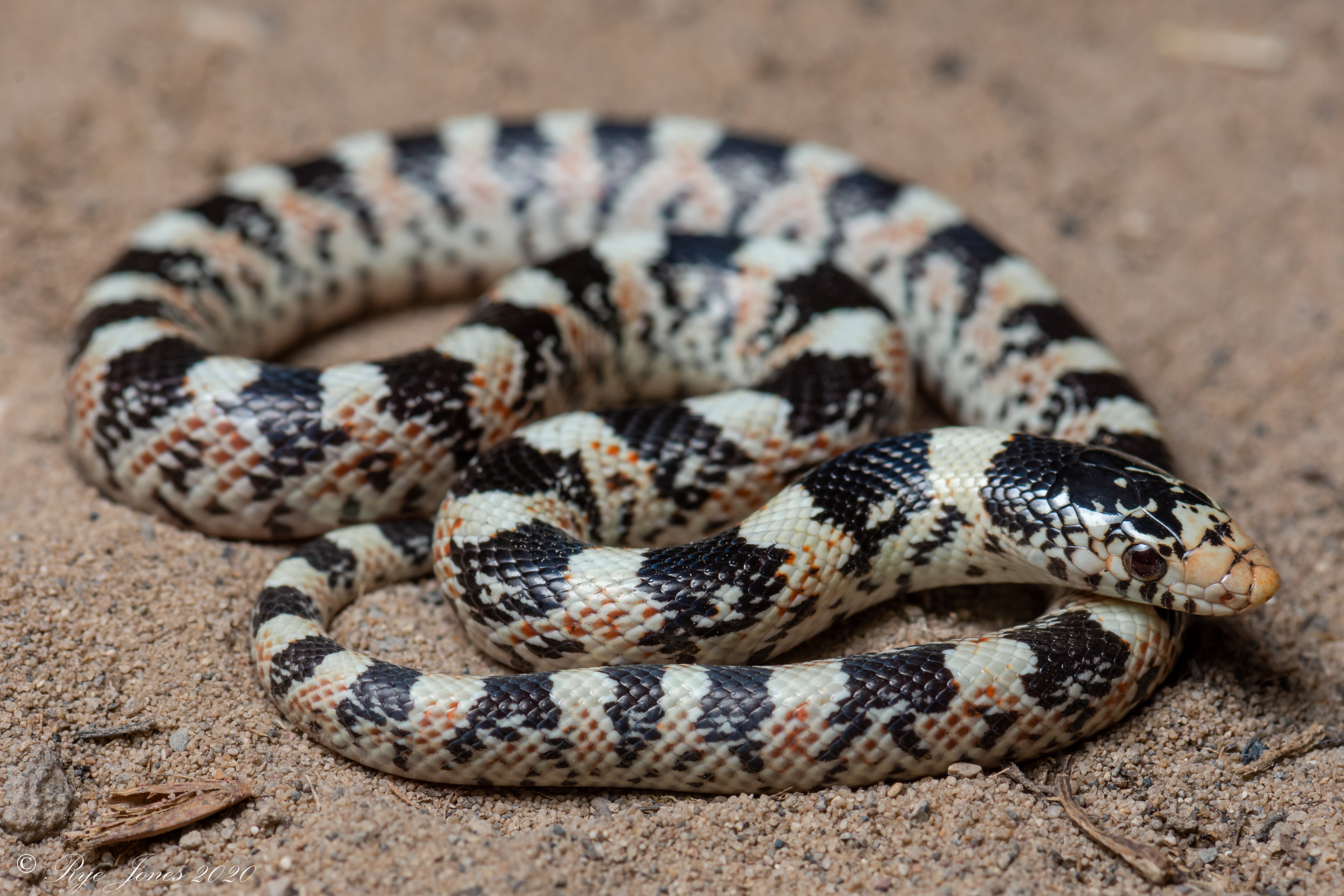
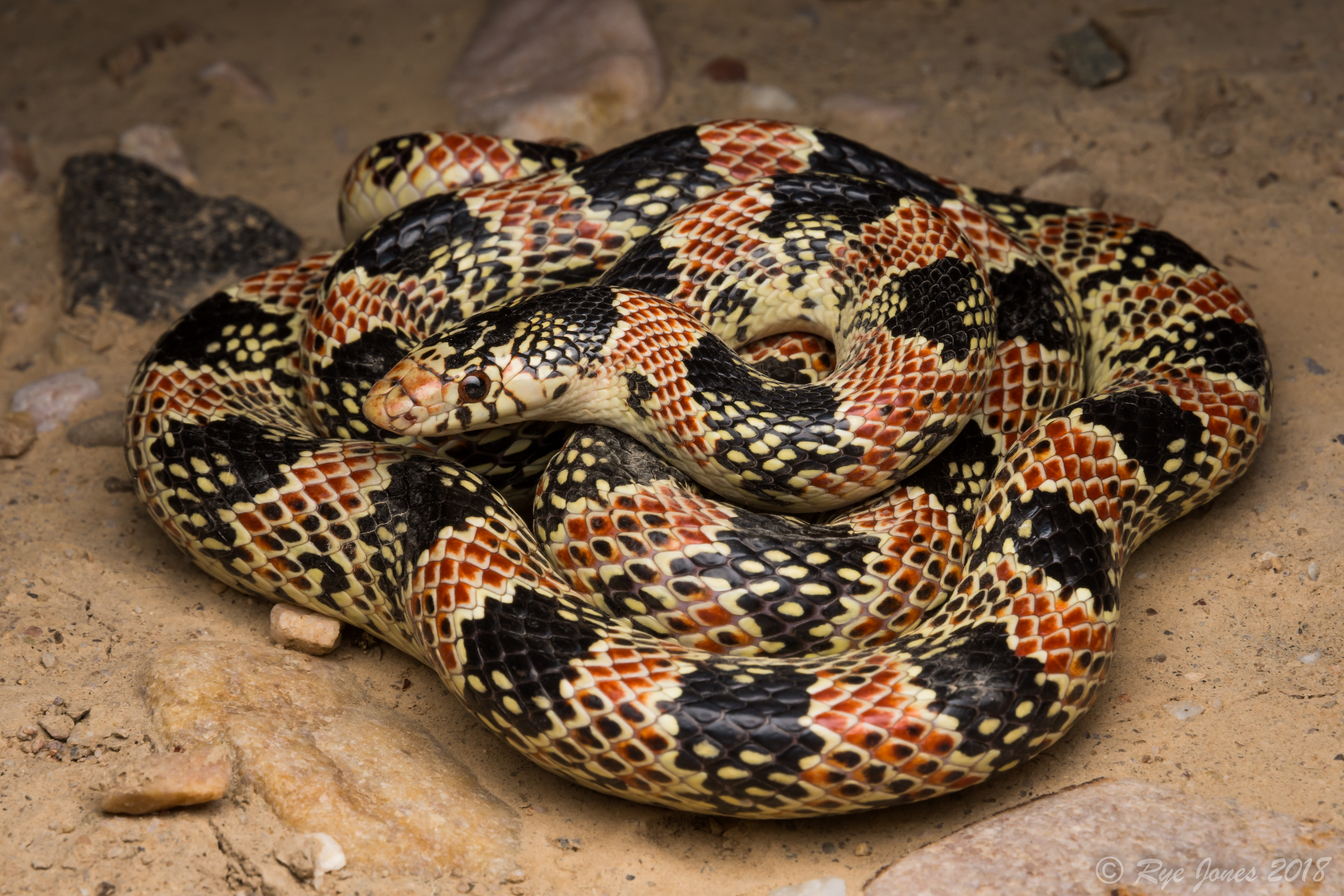
Description: The base color is white or cream with black saddles along the dorsal. There are varying degrees of red interspersed between the black saddles. The red scales have white or cream-colored tips. The sides of the black saddles have white or cream-colored speckling, and the sides of the red saddles sometimes have black speckling. Occasionally, red coloration is significantly reduced or absent, especially in juvenile individuals. The ventral is usually patternless, and the saddles do not wrap around. The eyes are red or orange in color. The snout is pointed with a countersunk jaw. This snake has smooth scales. It is fossorial and primarily nocturnal.
Size: A medium-sized snake that averages 2 to 2.5 feet in length.
Range and Habitat: This snake occurs throughout much of the western half of the state. It can be found along the southern portion of the Colorado Plateau, near Lake Powell, and up the Escalante River drainage. This species is also known from a single record in Carbon County. This snake likely occurs throughout the majority of the Colorado Plateau, but due to its secretive nature has not yet been documented in these areas. This snake inhabits desertscrub, shadscale-dominated saline basins, sagebrush basins, and grasslands with loose soils. It can be found up to 6,000 feet in elevation.
Similar Species: The Utah Milksnake and Utah Mountain Kingsnake have solid red, black, and white bands.
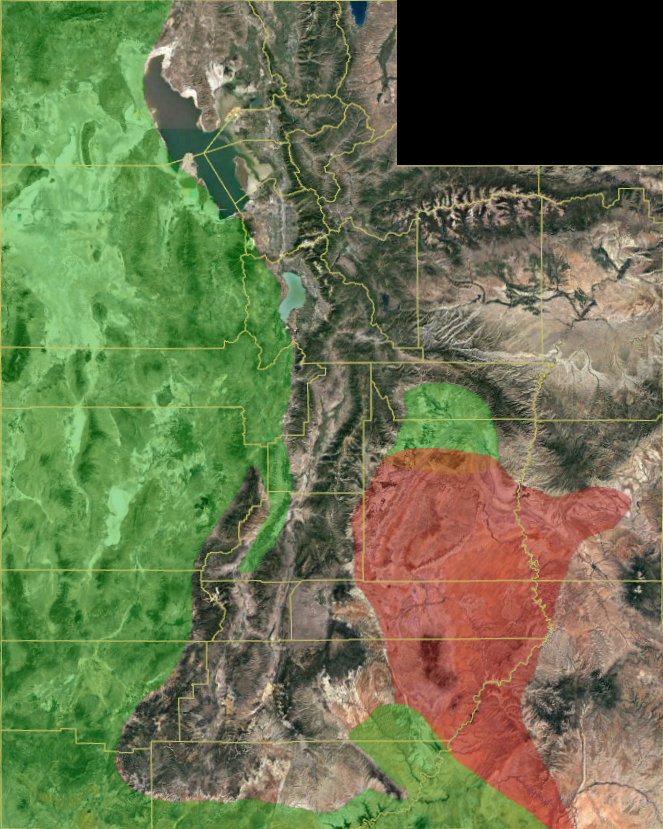
Possible Range
Known Range
 The Reptiles and Amphibians of Utah